- Notice of a new hurricane claim must reach the insurer within 1 year of landfall; a supplemental claim within 18 months.
- Insurers generally must acknowledge within 7 days, inspect within 30 and pay or deny within 60, with a possible extension in emergencies.
- Photograph before you clean, and keep every damaged item until the adjuster says otherwise.
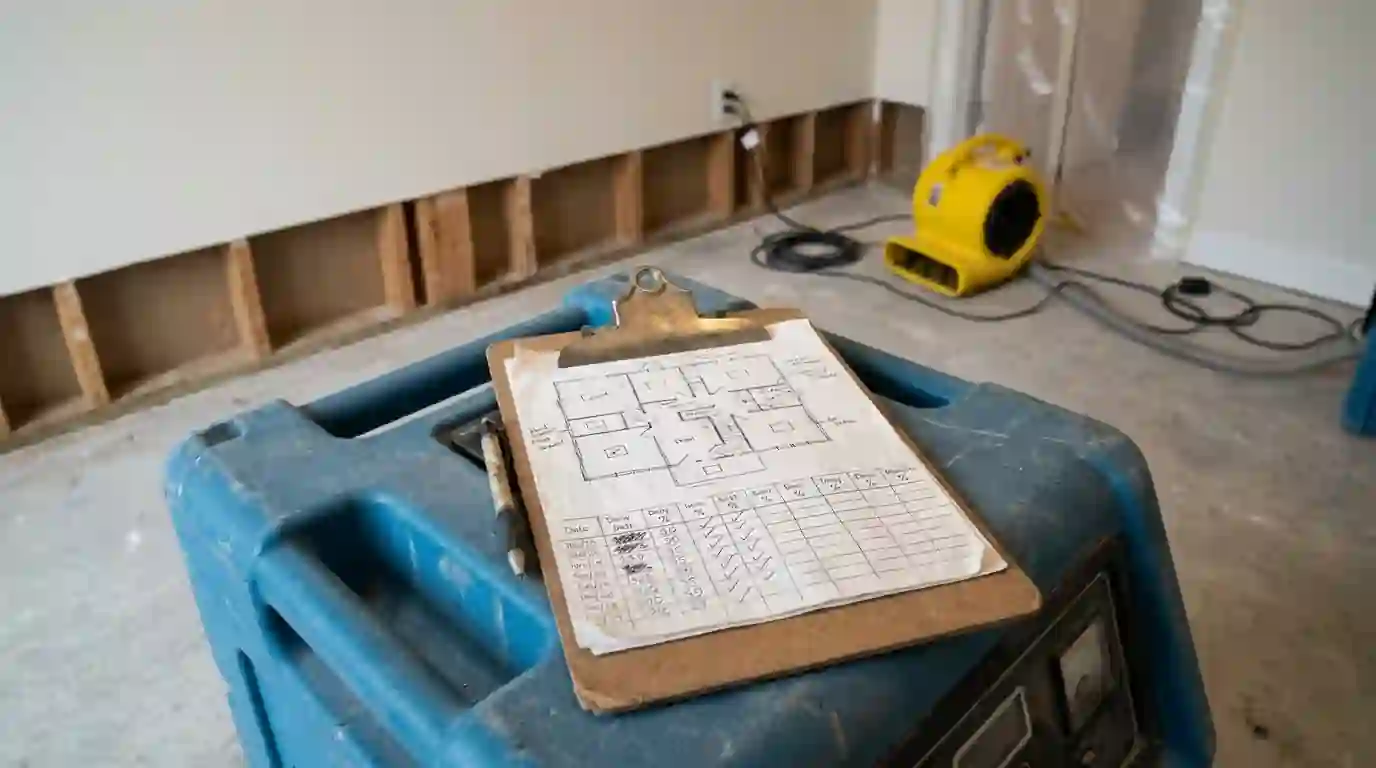
- Daily moisture readings show why walls were opened and drying equipment ran.
When a storm crosses South Florida, adjusters arrive to thousands of homes at once. Many of them are from out of state and see your house for an hour, sometimes weeks after the storm. What they decide depends heavily on what you can show them: what the house looked like, what the storm did and what was done to stop it getting worse.
This guide covers what to record, how to organize it and the Florida deadlines that apply. It does not interpret any policy. Your adjuster, your agent or a licensed public adjuster is the right person for coverage questions.
The Florida deadlines you should know
Florida Statute 627.70132 sets the outer limits for reporting. Notice of a new or reopened property claim must reach your insurer within 1 year of the date of loss, and a supplemental claim within 18 months. For hurricanes, the date of loss is the storm's landfall date, not the day you first noticed a ceiling stain. For example, Hurricane Irma made landfall in the Florida Keys and again near Marco Island on September 10, 2017, so that was the date of loss for Irma claims.
Those are maximums, not targets. Report as soon as you safely can, because damage that sits for weeks gets harder to separate from wear and later leaks, and most policies expect you to act promptly.
The insurer has deadlines too. Under the 2022 reform known as SB 2-A, insurers must acknowledge a claim communication and begin investigating within 7 days, inspect within 30 days and pay or deny within 60 days, with a possible 30-day extension during declared emergencies. Write down the date of every call and letter so you can tell where your claim stands.
Photos and video: what to capture and in what order
Start outside and work in. Shoot each elevation of the house, the roof from ground level, fallen trees or limbs, broken windows, damaged fences and screen enclosures, and any debris that hit the structure. Include something in the frame that shows scale and location, like a house number or a door.
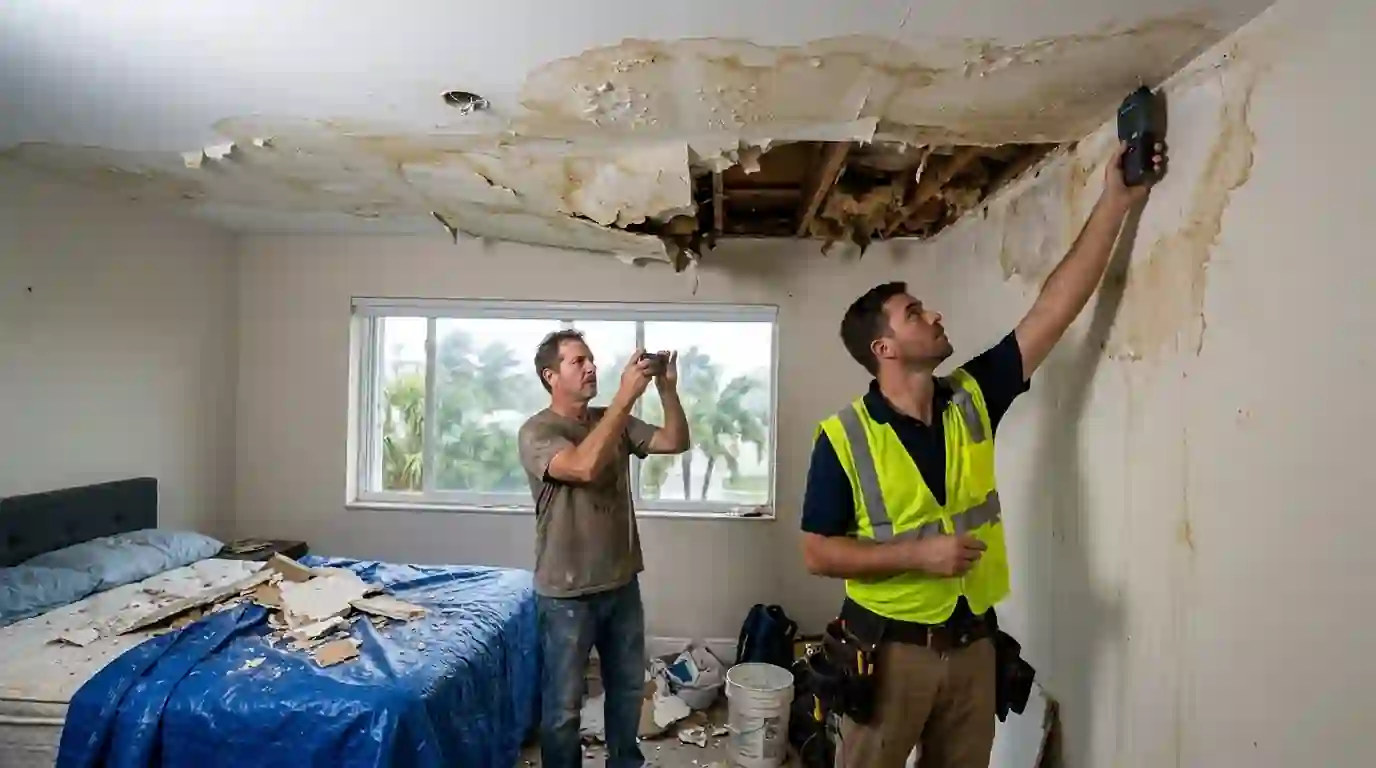
Inside, film each room in one continuous pass, then take close-ups. Capture water lines on walls, ceiling stains and sagging drywall, wet carpet, swollen cabinets and floors, and anything that was soaked. Photograph the same spot again after water is removed. If you made a baseline video before the season, as described in our hurricane prep guide, keep it in the same folder so the before and after sit side by side.
- Wide shot of each room, then medium, then close detail.
- Labels and serial numbers on damaged appliances and electronics.
- Roof leaks shown from both the attic side and the ceiling below.
- Every receipt photographed the day you get it.
Keep a written log from day one
Photos show what happened. A log explains when. Use a notebook or a note on your phone and add a line every time something happens: the time water started coming in, when power went out and came back, who visited, what they did and what they told you.
Note any steps you took to prevent more damage, such as putting buckets under a leak, moving furniture or calling for a tarp. Most policies expect reasonable steps to protect the property, and a dated log shows you took them. Keep receipts for tarps, fans, generator fuel, hotel nights and meals if you were displaced.
What a restoration crew adds to the file
A crew doing hurricane damage restoration produces records you cannot easily make yourself. Moisture readings taken at marked points on walls, floors and cabinets, recorded daily, show how far water traveled and when each area reached its dry goal. Drying follows the IICRC S500 standard, which includes documentation as part of the process.
Ask for a copy of the moisture map, the daily readings, photo sets of any drywall cut out and a scope of work that lists what was removed and why. That is the core of what insurance claim help means: organizing the evidence so your adjuster can follow it.
Two things a contractor should not do. Florida Statute 489.147 bars contractors from interpreting policy coverage or adjusting claims unless they hold a public adjuster license, and for policies issued on or after January 1, 2023, post-loss benefits cannot be assigned to a contractor. If anyone asks you to sign over your claim, decline.
Damaged belongings and debris
Before you throw anything out, photograph it, write it on an inventory list with an approximate age and value, and keep a small sample of materials like carpet or flooring if you can. Wet drywall and insulation can go to the curb once they are photographed and noted, but adjusters may want to see larger items like furniture, rugs or appliances in person.
For a house with a lot of soaked or smoke-affected contents, contents pack-out creates a room-by-room inventory with photos as items are packed, which doubles as a record for the claim.
When the adjuster visits
Be there if you can, and walk the adjuster through the house in the same order as your photos. Hand over a copy of your log, the restoration crew's moisture records and the scope. Point out hidden damage, such as walls that were opened or flooring that was lifted, since it may no longer be visible.
Write down the adjuster's name, company and contact details, and ask when to expect the estimate. If something was missed, or damage shows up later, the 18-month window for a supplemental claim gives you room to add it. A rough sense of the work ahead from our restoration costs page can help you read the estimate when it arrives.
Common questions
Can I start repairs before the adjuster inspects?
Emergency steps that stop further damage, such as extracting water, drying, tarping a roof or boarding a window, usually should not wait. Document everything first and keep receipts. Permanent repairs like new drywall, flooring or cabinets are generally best held until the adjuster has seen the damage or agreed to the scope.
What if I find more hurricane damage months later?
Report it to your insurer as soon as you find it. Florida law allows a supplemental claim within 18 months of the date of loss, which for a hurricane is its landfall date. Photograph the new damage and note when and how you found it.
Should my photos include a date stamp?
Most phones save the date and time inside the file itself, and that is usually enough as long as you keep the original files. Avoid editing or filtering them. Backing them up to cloud storage keeps the originals safe and makes them easy to share with your adjuster.