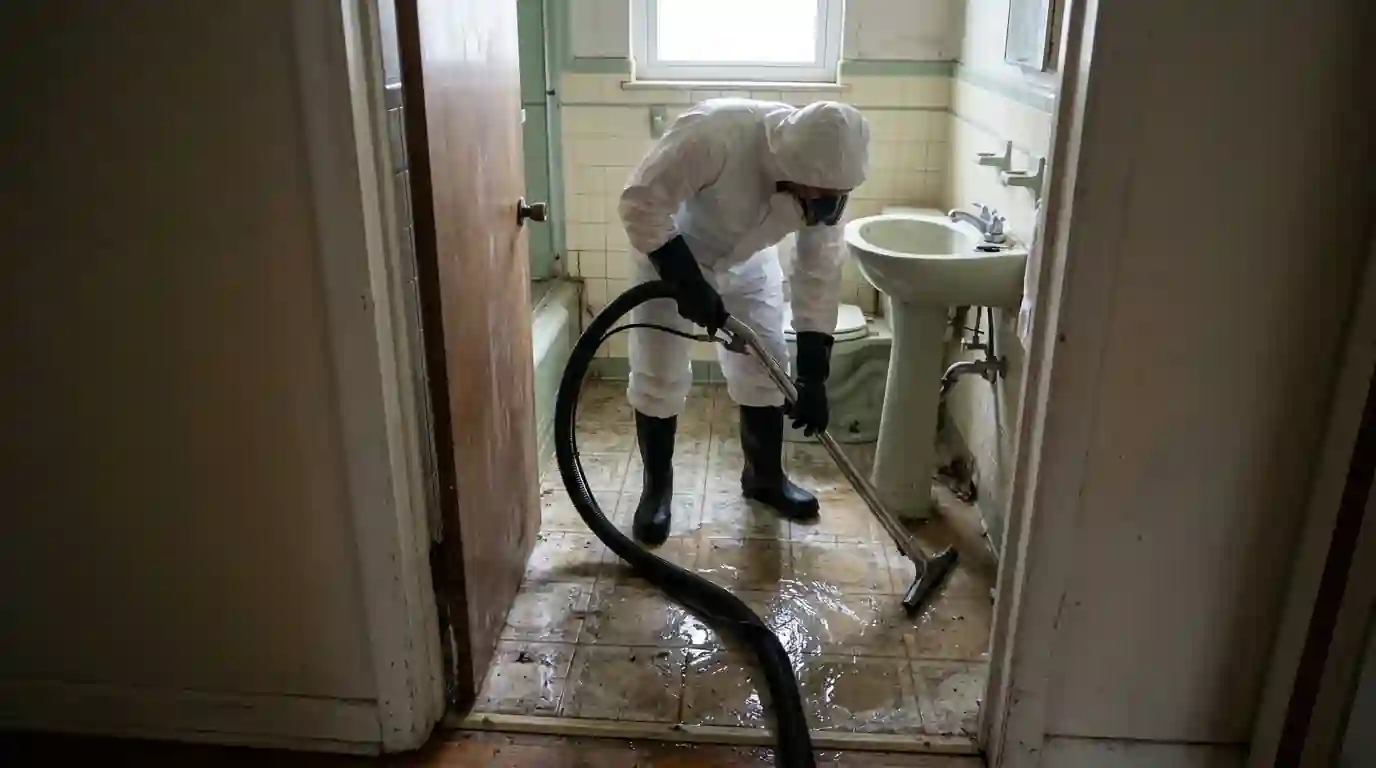
For flood or sewage water in a North Miami home, call (786) 664-2643 any time. The crew extracts the water, removes porous materials it touched, disinfects hard surfaces and dries the slab and walls until readings reach dry goal. Tide water, canal water and sewage are all handled as contaminated. Photos and moisture logs are kept for your adjuster.
The city also warns that flooding gets worse when rain or wind lines up with the tide, and that is when water starts finding its way into garages, ground floors and drain lines. The Biscayne Canal, dug in 1924 to drain flooded farmland, still runs through town and rises with heavy rain.
Most of North Miami is post-World War II single-family homes and small apartment buildings, with bayfront homes in Keystone Point and newer towers at Biscayne Landing and SoleMia. The older houses add a second problem to the first: aging drain lines that crack, clog and send water back up through tubs and floor drains.
Tide, rain and canal water all count as dirty water
Under the IICRC S500 standard, water that rises from outside or comes up through a drain is Category 3. It carries salt, street runoff and sometimes sewage, so the cleanup is different from a burst supply line. Carpet and pad, the bottom of the drywall, wet insulation and particleboard cabinets usually come out.
Tile, block and sealed concrete get cleaned with a disinfectant, rinsed and dried. Salt left on framing keeps drawing moisture from the air, so bayside jobs get a fresh-water rinse before the dehumidifiers go in.
Sewage backups in post-war houses
Houses from the post-war building wave often still have original drain lines, and cast-iron pipe from before about 1974 tends to thin along the bottom, scale up inside and leak into the soil around it. When a line clogs or collapses, the first sign is water rising in a tub, shower or floor drain on the lowest level.
Sewage backup cleanup means removing contaminated material, disinfecting and drying, while a plumber clears and camera-checks the line. Keep children and pets away from the area and avoid running water anywhere in the house until the line is open.
Keystone Point and the bayfront
Bayfront homes in Keystone Point sit in surge territory, and the streets around them are among the first to take tide water. When surge or a high tide gets into the house, storm surge cleanup adds debris removal and a salt rinse to the usual flood work.
Before storm season, find your main water shutoff and electrical panel, lift anything stored at floor level and photograph each room so you have a before record.